Just How to Choose the Perfect Eating Room Table Legs for Your Home Design
Choosing the excellent dining area table legs is a nuanced procedure that calls for cautious factor to consider of different components, including your space restrictions, visual preferences, and sensible needs. The interplay between materials, measurements, and designs can dramatically affect the atmosphere of your dining area, making it crucial to approach this decision systematically.
Assess Your Eating Area
Evaluating your dining room is vital for selecting the right table legs that complement both looks and performance. Begin by gauging the dimensions of your eating area, including ceiling elevation, floor area, and distance to various other furnishings. This information will assist figure out the proper size and height of your table, which directly influences the choice of table legs.
Following, take into consideration the design and layout of your dining space. An open-concept design may benefit from table legs that offer aesthetic agility, such as slender metal or acrylic options. Alternatively, a much more conventional setup could call for tough wood legs that offer a feeling of durability.
Review the existing color combination and products in your eating area. Integrating the table legs with these aspects creates a natural look that boosts the general style.
Eventually, a detailed assessment of your dining area will direct you in making a notified decision, guaranteeing that your table legs not only boost the visual allure but likewise offer practical functions.
Consider Your Design Preferences
When picking dining room table legs, it is necessary to assess your personal design preferences, as they dramatically affect the total visual of your eating area. Your selection of table legs can either enhance or contrast with existing décor, making it important to align them with your favored interior decoration motif.
If your home leans towards a modern visual, think about streamlined steel or minimalist wood legs that provide a clean, uncluttered look. For a more conventional method, luxuriant wood legs with elaborate makings can include a touch of sophistication and elegance. Industrial designs take advantage of robust, basic materials such as reclaimed wood and steel combinations, reflecting a sturdy charm.
Additionally, farmhouse and rustic styles frequently prefer sturdy, chunky legs that stimulate a sense of warmth and comfort. Conversely, if your decoration is diverse, you may choose unique forms or a mix of products to produce visual rate of interest.
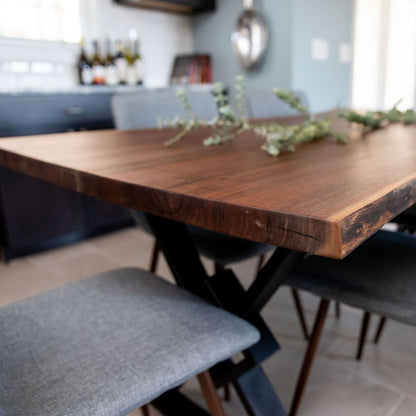
Evaluate Material Options
The option of product for eating area table legs plays a pivotal duty in both durability and aesthetic allure. Typical materials consist of timber, steel, and composite alternatives, each offering unique characteristics that can affect the overall look and longevity of your table.
Timber is a timeless choice, known for its heat and convenience. Hardwoods like oak and walnut offer outstanding stamina and can be ended up in numerous discolorations to match any style. However, softwoods like pine are extra susceptible to damages and scratches, making them much less ideal for high-traffic locations.
Steel legs, usually crafted from steel or light weight aluminum, show modernity and commercial appeal. They are resistant and extremely durable to put on, making them appropriate for families with youngsters or constant events (dining room table legs). Furthermore, metal can be ended up in different shades, improving the modification opportunities
Composite materials, such as MDF or laminate, offer price and varied designs. While commonly less sturdy than strong timber or steel, they can still offer a stylish appearance and are often simple to maintain.
Ultimately, the material you select need to straighten with your way of life, visual preferences, and the level of use your table will experience.
Determine Elevation and Size
Choosing the ideal height and size for your eating area table is essential for both functionality and comfort. The common elevation for dining tables usually varies from 28 to 30 inches, enabling enough legroom for most people when seated. However, it is important to take into consideration the dimensions of your dining area and the kinds of chairs you plan to utilize.
Furthermore, consider the proportions of your dining-room. A larger table in a large location can create a grand ambiance, while a smaller table works well in even more intimate settings. Eventually, the appropriate height and size will certainly integrate with your overall style and enhance the eating experience for you and your visitors.
Explore Modification Possibilities
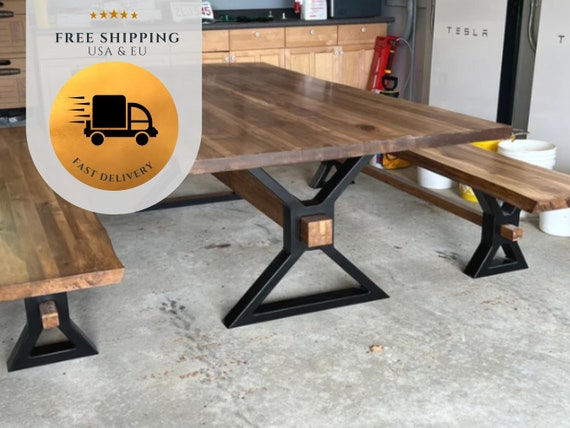
Furthermore, the layout of the legs can be customized to fit different designs, such as rustic, modern-day, or commercial. Conical legs can stimulate a mid-century modern feeling, while chunky, block-style legs might reverberate with conventional or farmhouse over at this website design.
Property owners can likewise discover color finishes, from all-natural timber stains to paint, allowing them to match or contrast with the tabletop and bordering decoration.
Additionally, leg elevation can be gotten used to suit particular seating arrangements or individual preferences, enhancing both comfort and performance.
Finally, special embellishments, such as makings or decorative brackets, can additionally individualize the table legs, making the dining experience not just a dish but a declaration piece in the home. By considering these personalization choices, property owners can produce a dining-room table that genuinely reflects their originality.
Conclusion
Selecting the excellent dining-room table legs needs cautious consideration of various factors, including the measurements of the eating room, her response design choices, material toughness, and wanted height. Personalization alternatives additionally improve the ability to accomplish a natural visual that enhances the general style. By systematically copyrightining these components, house owners can make sure that the selected table legs not only meet functional requirements but also contribute positively to the dining experience and ambiance of the home.
Choosing the suitable dining room table legs is a nuanced process that needs mindful consideration of various components, including your room restrictions, aesthetic preferences, and functional demands.Assessing your dining space is essential for selecting the right table legs that complement both looks and capability.When identifying dimension, gauge the area where the anonymous table will be placed to guarantee it fits conveniently, permitting for at least 36 inches of clearance around the table for very easy motion. A larger table in a spacious location can create a grand ambiance, while a smaller table works well in more intimate settings.Selecting the perfect dining room table legs requires mindful factor to consider of various factors, including the measurements of the dining area, design preferences, material resilience, and desired elevation.